Blog · November 8, 2026
Gallery Wall Layout Ideas (and How to Preview Them First)
Short answer
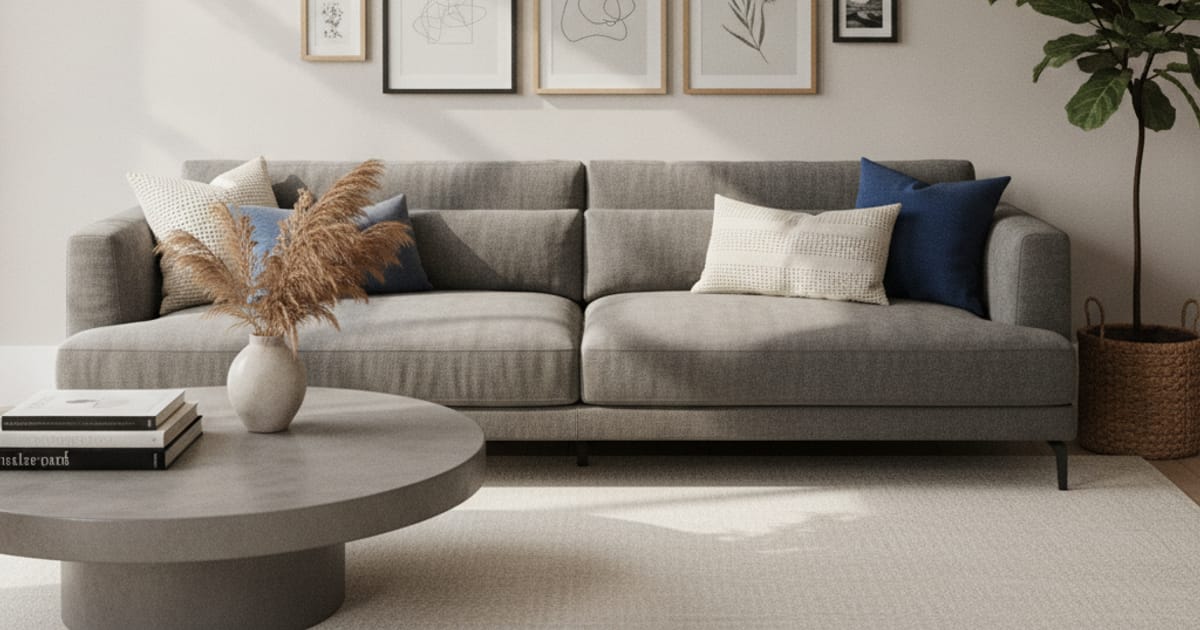
The most reliable gallery wall layouts are the even grid, the salon-style cluster, and the asymmetric-but-balanced arrangement anchored by one larger piece. Before you hang anything, preview the layout at true scale — in an app like MockupWall you can arrange the prints on a photo of your real wall and adjust spacing and sizes until it balances.
A gallery wall is one of the highest-impact things you can do with art, and one of the easiest to get wrong. The pieces might all be good, but if the spacing is off or the sizes don’t relate, the whole wall feels unsettled. The fix isn’t more art — it’s a layout that has a logic to it, and a way to check that logic before you commit holes to the wall.
Three layouts that reliably work
- The grid: equal-sized frames in even rows and columns, consistent spacing. Calm, modern, and the most forgiving to hang.
- The salon hang: a dense cluster of mixed sizes and frames, balanced around a center line. Rich and collected-looking, but needs planning.
- The anchored asymmetric: one larger piece off-center with smaller works arranged around it. Dynamic, and great for mixing orientations.
The rules that keep it balanced
- Keep consistent spacing between frames — 5–8 cm (2–3 in) is a safe default.
- Treat the whole group as one shape and keep that shape balanced around a center.
- Repeat something — frame color, mat width, or palette — to tie mixed pieces together.
- Hang the group’s center around eye level, not each piece individually.
Preview it before you hang it
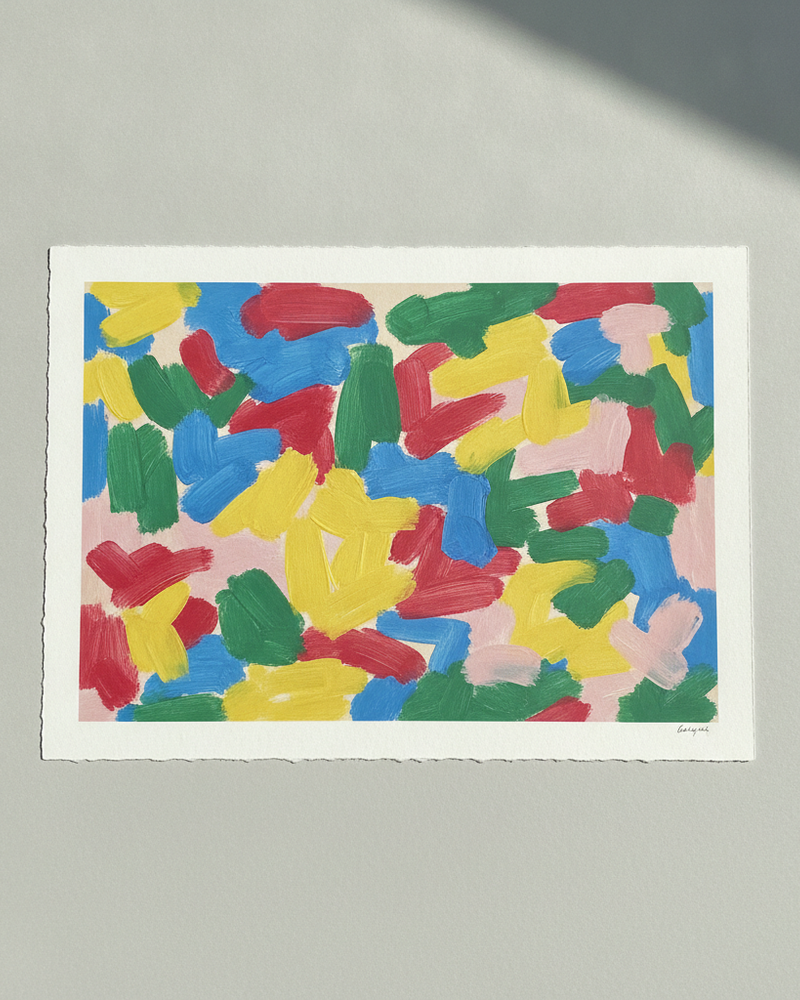
The step most people skip is seeing the arrangement before drilling. A gallery wall designer lets you place the prints into a grid or cluster on a realistic wall — or a photo of your actual wall — at true scale, so you can judge spacing and proportion on screen. In MockupWall you can arrange several pieces, swap sizes and frames, and nudge the layout until it balances, then export the plan. Sellers use the same feature to present a curated print set as a finished gallery wall, which makes bundling an easy upsell.
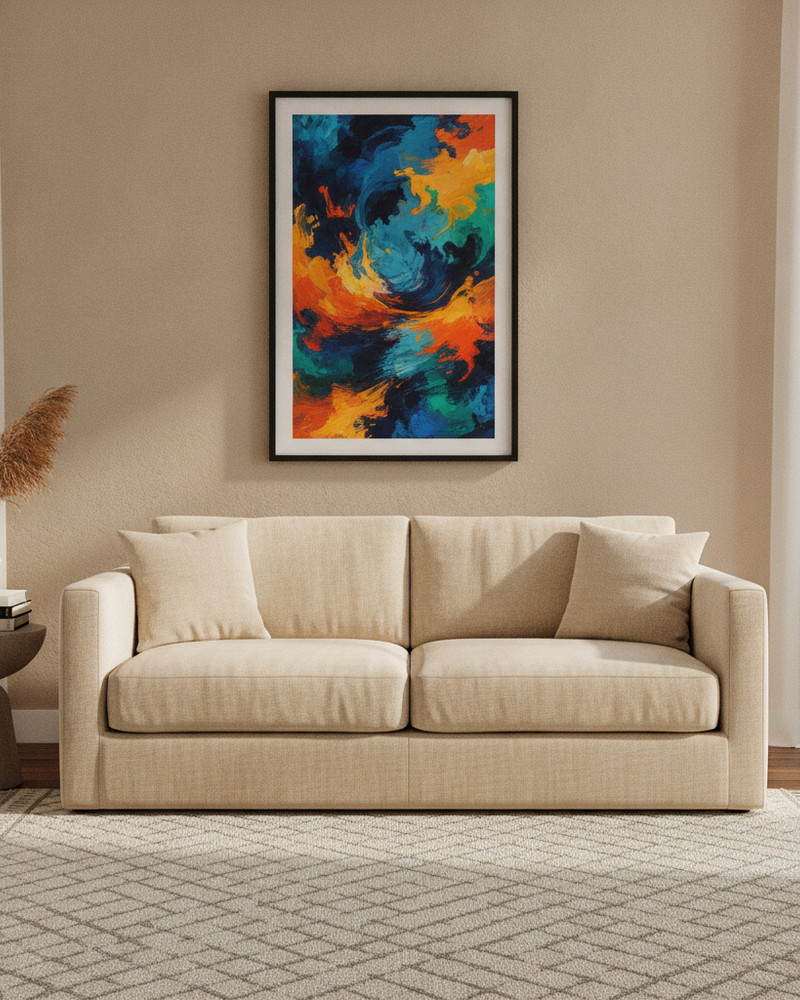
Whether you’re planning your own wall or selling a set, previewing the layout turns a risky guess into a decision you can see. Drill once, hang once, and let the arrangement do the work.
Frequently Asked Questions
What’s the best gallery wall layout?
For most spaces, an even grid is the safest and most modern; a salon-style cluster feels collected and rich; an anchored asymmetric layout is the most dynamic. Choose based on your pieces and how formal you want the wall to feel.
How much space should be between frames?
A consistent gap of about 5–8 cm (2–3 inches) works for most gallery walls. The key is keeping the spacing even so the group reads as one arrangement.
How can I preview a gallery wall before hanging it?
Use a gallery wall designer like MockupWall: arrange your prints into a layout on a scene wall or a photo of your own wall at true scale, adjust spacing and sizes, and export the plan before you drill.
Can I use this to sell a print set?
Yes. Presenting several prints as a finished gallery wall helps buyers picture the whole arrangement and makes bundling an easy upsell over single prints.